November 6, 2026
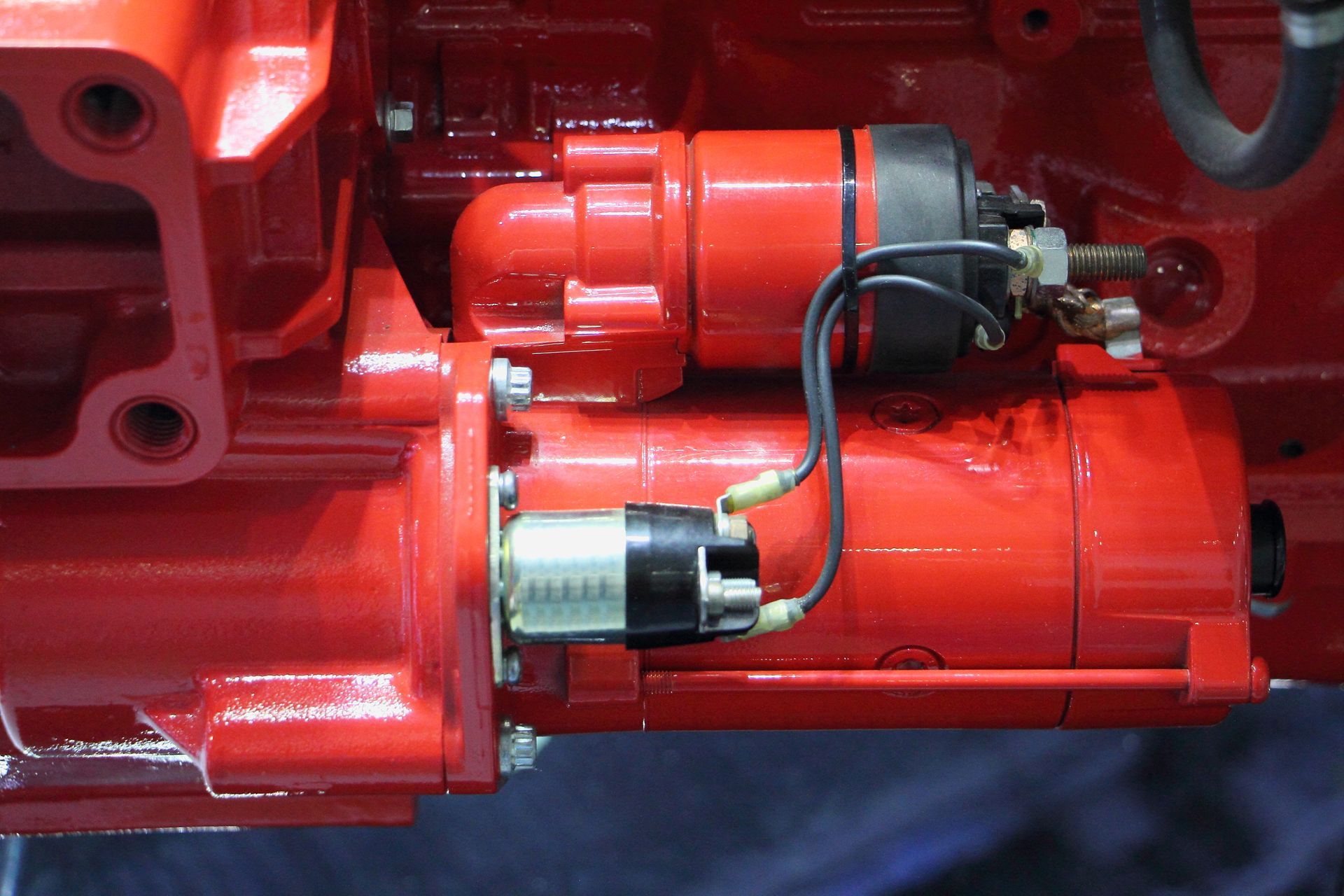
An engine starter must deliver enough torque to turn the engine and begin the combustion process. Although this operation usually lasts only a few seconds, the starter experiences considerable mechanical and electrical demands each time the vehicle starts. Repeated engagement, resistance from engine compression, and heat generated during operation can gradually affect internal components. Gear reduction technology helps address these demands by changing how the starter motor's speed and torque are delivered. Instead of relying entirely on a high-speed motor to turn the engine directly, a reduction gear system uses gearing to increase torque while lowering output speed. This design can improve starting performance and reduce unnecessary strain on certain starter components. An offset gear reduction starter uses this principle to provide an effective arrangement for applications with specific engine and installation requirements. Understanding how this technology works can help vehicle owners and performance enthusiasts recognize its benefits.
Increasing Torque Through Gear Reduction
One of the primary advantages of gear reduction technology is its ability to increase the torque available at the starter drive. Electric starter motors can operate at high rotational speeds, but an engine requires substantial turning force to overcome compression and internal resistance. Reduction gears transfer the motor's rotation through a gear arrangement that produces slower output with greater torque. This allows the starter to turn the engine without requiring the motor itself to provide all the necessary force directly. An offset gear reduction starter uses this mechanical advantage to support demanding starting conditions. The increased torque can help the engine rotate more consistently, particularly when compression or operating conditions create additional resistance. Because the gearing manages the relationship between motor speed and output force, the starter can perform its intended job more efficiently. This arrangement is an important reason gear reduction designs are used in many performance and specialized applications.
Reducing Strain on the Starter Motor
Starter motors experience significant demands when they engage an engine, especially when the engine requires considerable torque to begin rotating. Without an appropriate reduction system, the motor may need to work harder to produce the force required at the drive gear. Gear reduction helps distribute the mechanical workload by allowing the motor to operate at a higher speed while the gear assembly increases output torque. This can reduce the need for the motor to deliver high torque directly at a low rotational speed. An offset gear reduction starter applies this principle through its internal gear arrangement, helping support the starting process under demanding conditions. Lower mechanical strain may contribute to more consistent operation when the starter is properly matched to the engine. However, performance also depends on electrical supply, installation quality, and the condition of other starting components. Selecting an appropriately designed starter helps ensure the system can handle the engine's requirements.
Managing Heat During Starting Cycles
Heat is another factor that can affect starter component life. Electrical resistance and heavy current draw generate heat inside the starter motor, while mechanical friction can contribute additional thermal stress. Repeated starting attempts or prolonged cranking may increase these temperatures and place greater demands on internal parts. Gear reduction technology helps the starter produce the torque needed to rotate the engine through mechanical advantage rather than relying solely on direct motor output. An offset gear reduction starter can therefore support efficient torque delivery when correctly selected and operated. However, gear reduction does not eliminate heat or make a starter immune to damage from excessive cranking. Allowing the starter to cool between extended attempts and addressing underlying engine or electrical problems remain important. Proper operating practices help protect the motor, solenoid, and related components from unnecessary thermal stress.
Improving Engagement With the Flywheel
The starter drive must engage the engine's flywheel or flexplate correctly to transfer rotational force. Poor alignment, worn teeth, or an incorrect starter configuration can cause grinding, uneven engagement, and premature component wear. Gear reduction starters use an internal gear arrangement, but their mounting position and drive geometry must still match the application. An offset gear reduction starter can be useful when a particular engine configuration requires a different starter position or clearance arrangement. Correct alignment helps the starter pinion engage the ring gear as intended and reduces the likelihood of damaging contact. Installation should include checking mounting surfaces, fasteners, drive clearance, and the condition of the ring gear. A starter that fits the application properly is less likely to experience avoidable engagement problems. Careful attention to these details supports dependable operation over repeated starting cycles.
Supporting Appropriate Gearbox Selection
The gearbox is an important part of a reduction starter because its design determines how motor speed and torque are transferred to the starter drive. Selecting a gearbox that is not suited to the application can create unnecessary stress and affect long-term performance. According to GlobalSpec, the American Gear Manufacturers Association (AGMA) service factor compares a gearbox's rated horsepower or torque with the horsepower required by the application. This measurement helps explain why gearbox capacity should be considered alongside the demands placed on the equipment. For an offset gear reduction starter, the internal gearing must be appropriate for the engine's starting requirements and intended use. Factors such as engine displacement, compression, electrical system capacity, and operating conditions can influence starter selection. Choosing a properly rated design helps prevent the gearbox from being subjected to demands beyond its intended capabilities. Matching the starter to the application is essential for reliable performance.
Limiting Wear on Internal Components
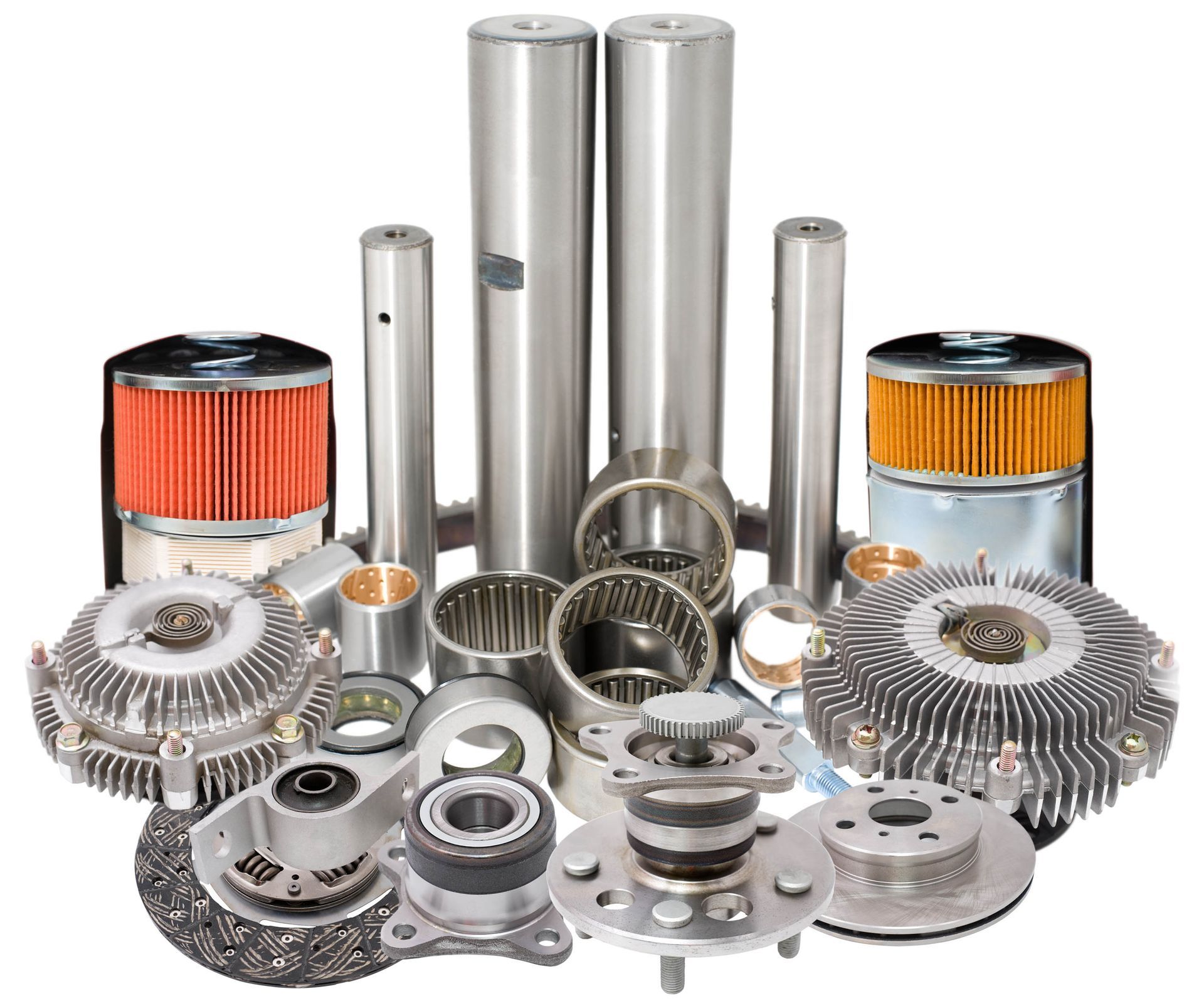
Starter systems contain several moving parts that work together during each starting cycle. These may include the armature, bearings, brushes, solenoid, pinion gear, and reduction gears. Repeated engagement and disengagement can gradually wear these components, particularly when the starter operates under excessive resistance or poor alignment. Gear reduction technology helps manage the torque required to turn the engine, which can reduce unnecessary mechanical demands when the system is properly designed. An offset gear reduction starter also provides an arrangement that may suit engines with limited mounting space or particular drive requirements. Nevertheless, internal gears still require proper lubrication and protection from contamination according to the manufacturer's specifications. Routine inspection can help identify unusual noises, inconsistent engagement, or other signs of developing problems. Maintaining the starter and addressing related engine issues can help extend the useful life of its components.
Improving Performance in Demanding Applications
Performance vehicles and specialized engine builds may place greater demands on starting systems than standard factory applications. Higher compression, modified engine components, and changes to the vehicle's electrical or mounting configuration can affect the amount of torque needed during startup. A suitable gear reduction starter can help provide the turning force required for these conditions. An offset gear reduction starter may also offer packaging advantages when headers, exhaust components, chassis parts, or other equipment limit available mounting space. Choosing the correct model requires more than comparing appearance or general performance claims. Vehicle owners should verify compatibility with the engine, transmission, flywheel or flexplate, electrical system, and mounting arrangement. A properly matched starter can support dependable operation without placing unnecessary demands on surrounding components. This makes application-specific selection especially important for modified and high-performance vehicles.
Maintaining Starter Reliability Over Time
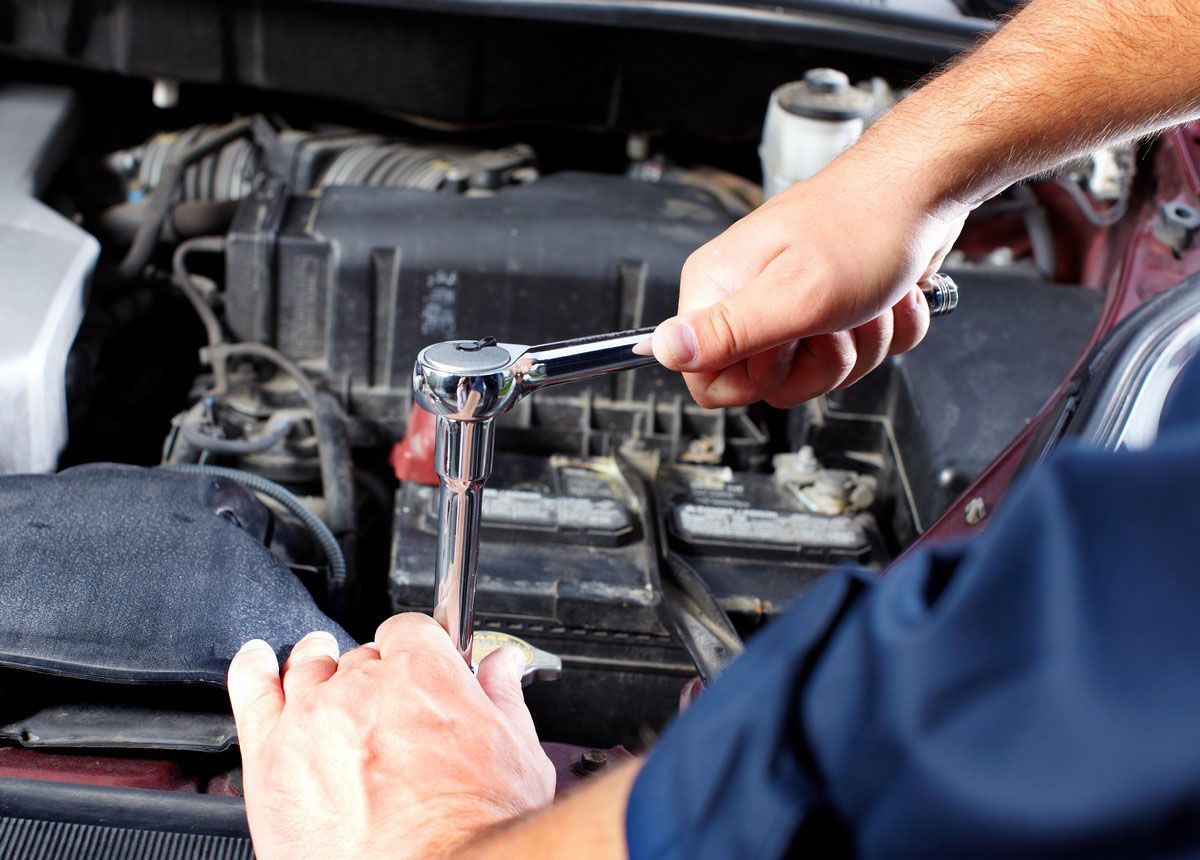
Regularly checking battery condition and electrical connections can help identify problems before they affect starting performance. Owners should also pay attention to grinding sounds, clicking, unusual noises, or intermittent operation. An offset gear reduction starter should be inspected according to the manufacturer's recommendations, particularly when used in demanding environments. Addressing small concerns early can help prevent additional wear and reduce the likelihood of unexpected starting problems. Reliable operation depends on the entire starting system working together, not just the starter itself.
Gear reduction technology offers important advantages by increasing available torque, managing motor speed, and supporting more efficient engine starting. These characteristics can help reduce unnecessary demands on starter components when the system is properly selected, installed, and maintained. Application compatibility, gearbox capacity, electrical condition, and correct drive engagement all contribute to long-term reliability.
IMI Performance Products Inc provides performance starter solutions for applications with specific engine and installation requirements. Contact us to discuss your setup and find a starter option suited to your vehicle's needs.