April 8, 2026
In the automotive world, the starter motor is a pivotal component that initiates the engine's operation. However, like any mechanical device, it is prone to wear and tear over time, leading to the quintessential dilemma: should one repair or replace a faulty starter motor? This article delves into the intricate lifespan of starter motors and provides a framework to help car owners make informed decisions.
Examining the Functional Mechanics of Starter Motors
When you sit in the driver's seat and turn the key or push the start button, you’re calling on one of the most hardworking parts of your vehicle. The starter motor is essentially a powerful electric motor that provides the initial rotation needed to get the internal combustion engine moving on its own. It’s a high-demand job because it has to overcome the engine's internal friction and compression. Because starter motors are expected to work perfectly every single time, regardless of whether it’s a freezing morning or a sweltering afternoon, they are built with a high level of physical durability.
The process is a bit like a relay race. The battery sends a surge of electricity to the solenoid, which then pushes a small gear into contact with the engine's flywheel. Once that connection is solid, the motor spins rapidly, the engine fires up, and the gear retracts. It’s a symphony of timing and force. However, because this happens in a fraction of a second, the mechanical stress on starter motors is significant. Understanding that this part isn't just a simple switch, but a complex mechanical assembly, helps explain why they eventually need professional attention.
Identifying Symptoms of Failing Starter Motors
Most drivers don't think about the engine starting until the day it fails to turn over. Fortunately, your vehicle typically provides warning signs before the system gives up entirely. According to AutoZone, the first step in diagnosing these issues is to confirm the battery’s health; it should maintain at least 12.4 volts to provide sufficient power to the starter. If the battery is fully charged and problems persist, it is time to look for mechanical or electrical failure within the starter itself.
Three common indicators of a failing starter include clicking noises, grinding sounds, and strange odors. If you hear a single click or a rapid chattering sound when turning the key, it often indicates the electrical signal is reaching the solenoid, but the motor isn't turning. Grinding is a more concerning symptom, as it usually means the teeth on the starter gear and the flywheel are not meshing correctly. Ignoring this can lead to significant damage to the engine's ring gear.
Analyzing the Expected Lifespan of Starter Motors
How long should you expect this part to last? In a perfect world, a starter would last the life of the vehicle, but reality is often different. The "age" of the part isn't just about the miles on the odometer; it’s about how many times you’ve started the car. A delivery driver who starts their vehicle fifty times a day will naturally wear out their equipment much faster than a long-distance commuter who only starts their car twice a day.
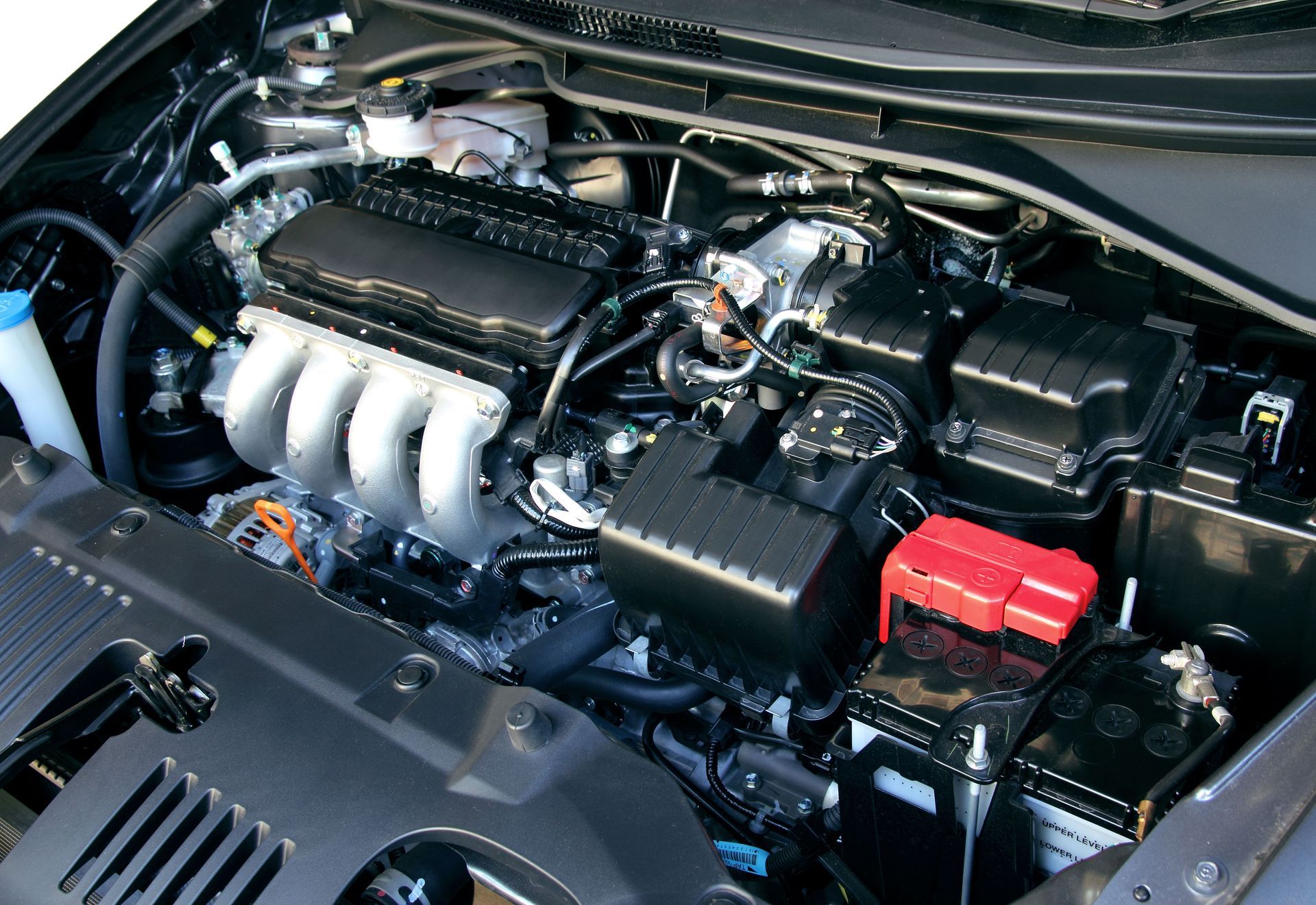
Environmental factors also play a huge role in how long these components stay healthy. If you live in a coastal area with salt air, or a place where roads are heavily salted in the winter, corrosion can creep into the electrical connections. Similarly, extreme heat can bake the internal lubricants and cause the mechanical parts to seize over time. Because starter motors are usually tucked away in the lower part of the engine bay, they are also susceptible to oil leaks from above or road debris from below.
Evaluating the Feasibility of Professional Repairs
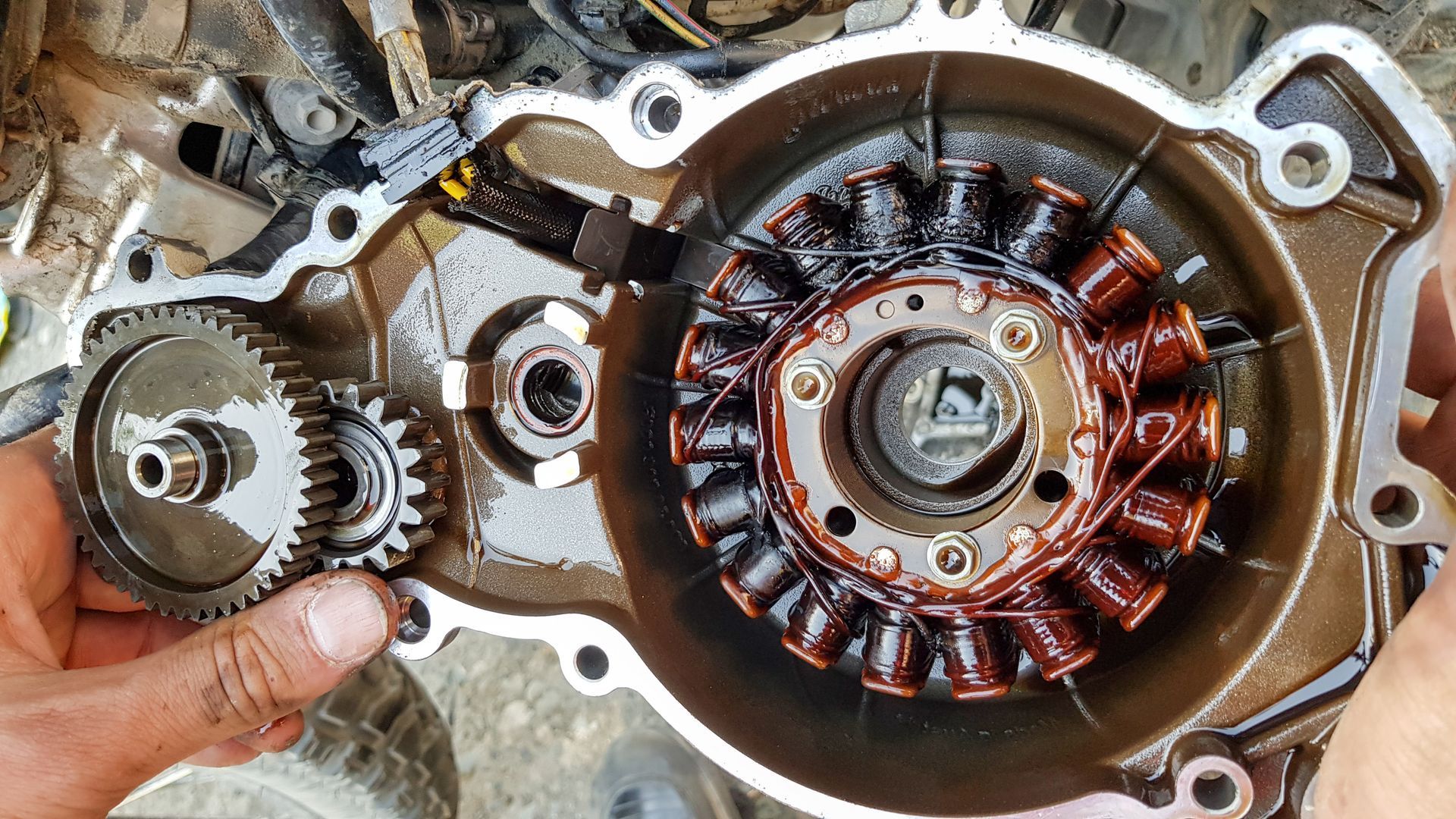
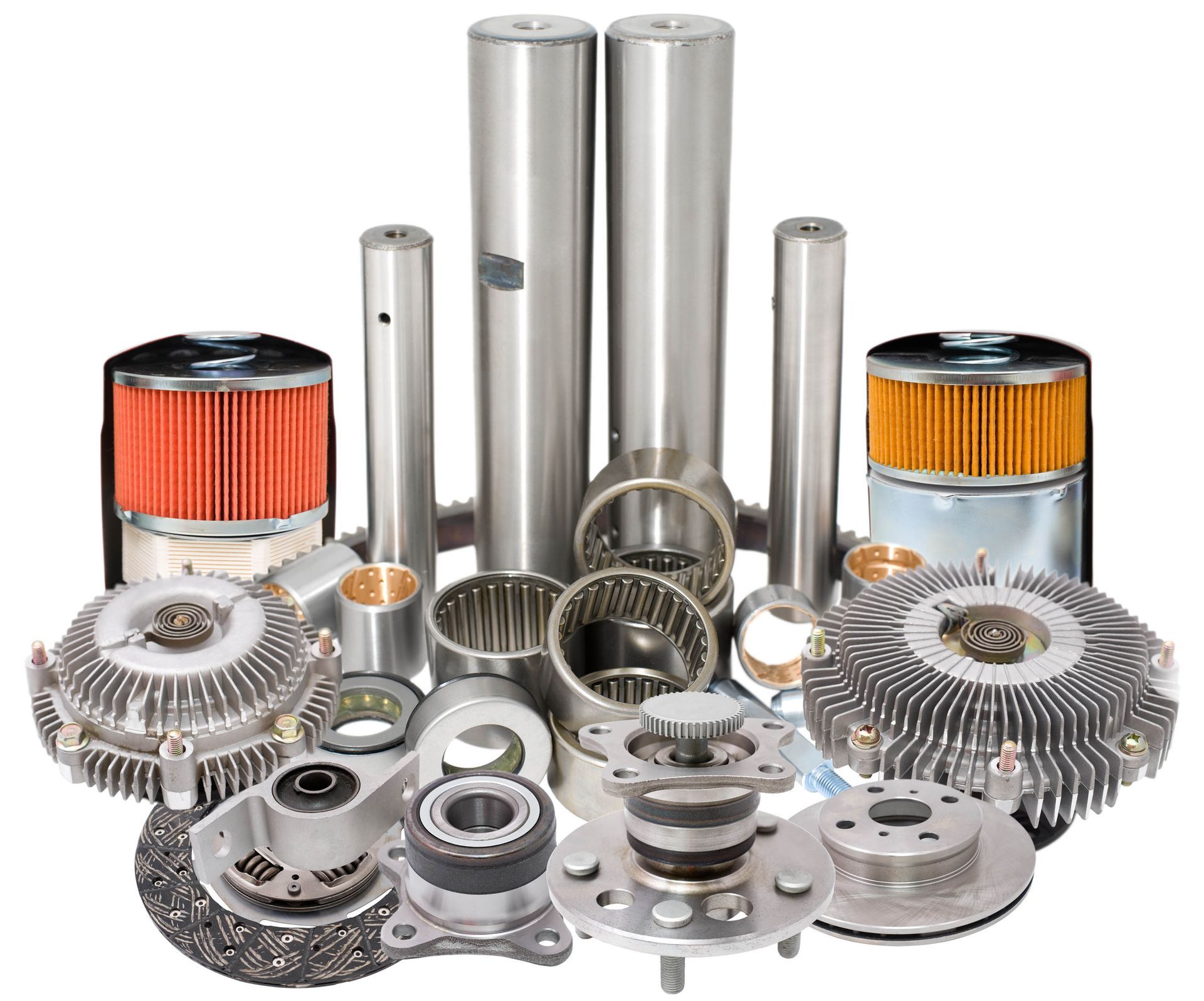
When the unit finally fails, you're faced with the big question: can it be fixed, or does it need to go in the bin? In the past, it was very common to take apart starter motors and replace individual pieces like the brushes, the copper bushings, or the solenoid. This is still a very viable option for certain types of vehicles, especially those with rare or very expensive components. A repair is often much lighter on the wallet and is a great way to keep original parts on a vehicle if that's a priority for the owner.
The main challenge with repairing a starter today is the cost of labor. Sometimes, the time a mechanic spends taking the unit apart, cleaning it, and replacing internal bits can cost almost as much as just buying a brand-new or high-quality remanufactured unit. However, if the problem is just a faulty solenoid—which is essentially the "on/off switch" attached to the motor—replacing just that piece can be a very smart, cost-effective move. It’s always worth asking a technician if a simple component swap is possible before committing to a full replacement.
Assessing the Benefits of Total Replacement
If your vehicle has high mileage or if the internal damage to the motor is extensive, replacement is usually the most logical path. When you choose a full replacement, you aren't just getting a new motor; you're getting a new solenoid, new bearings, and a new drive gear all at once. This effectively "resets the clock" on that part of your engine's reliability. For many people, the peace of mind that comes with a fresh component and a manufacturer's warranty is worth the extra upfront cost.
Modern replacement units are often "remanufactured," which means an old core was stripped down, cleaned, and rebuilt with brand-new internal wear parts to meet original factory standards. This is an environmentally friendly way to get a "like-new" part at a lower price point. When looking at replacements, it’s important to ensure the new unit matches the power requirements of your specific engine. A heavy-duty engine requires a motor with enough torque to turn it over quickly, especially in cold weather.
Comparing High Performance and Standard Models
Not all starting components are created equal. For most daily drivers, a standard-issue unit is perfectly fine. However, there are situations where a high-performance version is a much better fit. For example, if you’ve modified your engine to have higher compression, or if you live in a climate with extreme temperature swings, a high-torque gear-reduction starter can make a world of difference. These units use internal gears to multiply the motor's power, allowing them to spin the engine faster while actually drawing less current from the battery.
High-performance models are also often built to be smaller and lighter, which can be a huge advantage if you’re working in a cramped engine bay or near hot exhaust headers. Heat is the enemy of electrical efficiency, and performance-oriented designs often include better heat shielding or materials that can handle higher operating temperatures without losing power.
Determining the Best Path for Vehicle Longevity
Ultimately, the choice between repairing and replacing comes down to a balance of your budget, how long you plan to keep the vehicle, and how much you value reliability. If you’re driving an older car and just need it to last another year, a budget-friendly repair or a used part might be the way to go. But if your car is a vital part of your daily life and you need to know it will start every single time you turn the key, investing in a high-quality replacement is almost always the better long-term strategy.
In the automotive world, the starter motor is a pivotal component that initiates the engine's operation. However, like any mechanical device, it is prone to wear and tear over time, leading to the quintessential dilemma: should one repair or replace a faulty starter motor? This article delves into the intricate lifespan of starter motors and provides a framework to help car owners make informed decisions. By understanding the signs of failure and knowing your options, you can navigate these mechanical hiccups with confidence and get back on the road safely. For more information on high-quality starting solutions, contact IMI Performance Products Inc.